When it comes to car insurance estimates, understanding the factors involved can help you save money and make informed decisions. Let’s dive into the world of car insurance and explore how you can get the best estimate for your needs.
Factors Affecting Car Insurance Estimates
When it comes to determining car insurance estimates, several factors come into play that can significantly impact the cost of premiums. These factors include the car model, driver’s age and driving history, as well as the location of the driver.
Car Model Impact
The type of car model you drive can greatly affect your insurance estimates. High-performance vehicles or luxury cars are generally more expensive to insure due to their higher repair costs and increased risk of theft or accidents.
Driver’s Age and Driving History
Younger drivers or those with a history of accidents or traffic violations are considered higher risk by insurance companies, leading to higher insurance premiums. On the other hand, older drivers with a clean driving record typically enjoy lower insurance rates.
Location Influence
The location where a driver resides also plays a crucial role in determining insurance estimates. Urban areas with higher rates of traffic congestion or crime tend to have higher insurance premiums compared to rural areas with lower risk factors.
Types of Coverage in Car Insurance Estimates
Car insurance estimates typically include various types of coverage to protect policyholders in different scenarios. Understanding the distinctions between these coverage options is crucial for selecting the most suitable policy.
Liability Coverage
Liability coverage is a fundamental component of car insurance estimates, providing financial protection in case the policyholder is at fault in an accident that causes property damage or injuries to others. This coverage helps pay for the affected party’s medical expenses, vehicle repairs, or other damages.
Comprehensive Coverage
Comprehensive coverage goes beyond liability by protecting the policyholder’s vehicle from non-collision incidents such as theft, vandalism, natural disasters, or falling objects. It covers the cost of repairs or replacement of the insured vehicle, ensuring financial security in various unforeseen circumstances.
Collision Coverage
Collision coverage is specifically designed to cover damages to the policyholder’s vehicle resulting from a collision with another vehicle or object. This type of coverage helps pay for repairs or replacement of the insured vehicle, regardless of fault in the accident.
Uninsured/Underinsured Motorist Coverage
Uninsured/underinsured motorist coverage is a critical addition to car insurance estimates, safeguarding the policyholder in situations where the at-fault party does not have sufficient insurance coverage or is uninsured. This coverage helps cover medical expenses and vehicle repairs for the policyholder and passengers, ensuring adequate protection in case of accidents involving uninsured or underinsured drivers.
Ways to Lower Car Insurance Estimates
When it comes to lowering your car insurance estimates, there are several strategies you can consider to help reduce your overall costs.
Increasing Deductibles
One effective way to lower your car insurance estimates is by increasing your deductibles. By opting for a higher deductible, you can lower your premiums as you’ll be agreeing to pay more out of pocket in the event of a claim. This can result in significant savings over time, especially if you are a safe driver with a low risk of accidents.
Bundling Auto Insurance
Another way to potentially reduce your car insurance costs is by bundling your auto insurance with other policies, such as homeowners or renters insurance. Insurance companies often offer discounts for customers who purchase multiple policies from them, so bundling can lead to savings on your overall insurance costs.
Maintaining a Good Credit Score
Maintaining a good credit score can also help lower your car insurance premiums. Insurance companies often use credit scores as a factor in determining insurance rates, as studies have shown a correlation between credit history and the likelihood of filing insurance claims. By keeping a good credit score, you may be able to qualify for lower insurance premiums.
Understanding Insurance Premium Calculations
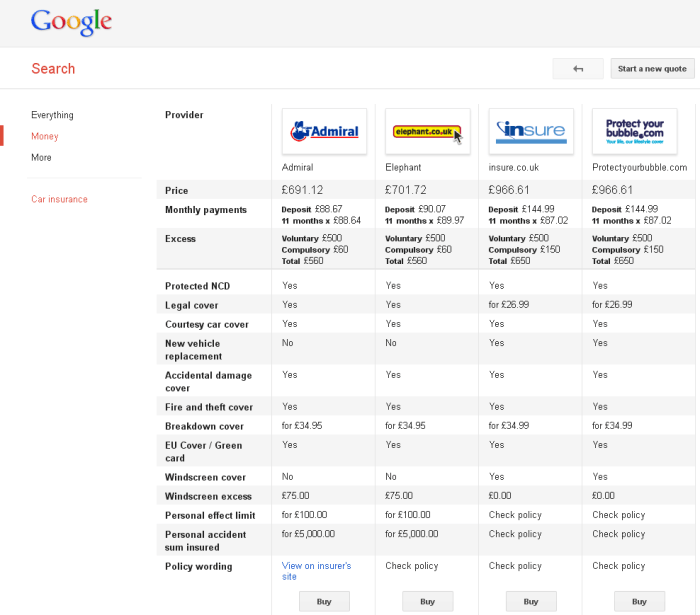
When it comes to calculating insurance premiums, there are several factors that insurance companies take into consideration. These factors can vary depending on the insurance company, but some common elements include the type of coverage, deductibles, coverage limits, driving record, and more. Understanding how these factors influence premium calculations can help policyholders make informed decisions when purchasing car insurance.
Factors Considered in Premium Calculations
- The type of coverage chosen by the policyholder can greatly impact the insurance premium. Comprehensive coverage, which provides protection against a wide range of damages, will typically result in a higher premium compared to basic liability coverage.
- Deductibles play a significant role in determining insurance premiums. A higher deductible means lower premiums, as the policyholder is willing to pay more out of pocket in the event of a claim.
- Coverage limits, which determine the maximum amount the insurance company will pay out for a claim, also affect premiums. Higher coverage limits generally result in higher premiums.
Examples of Deductibles and Coverage Limits
- For example, choosing a $500 deductible instead of a $1,000 deductible can result in a higher premium but lower out-of-pocket costs in the event of a claim.
- If a policyholder opts for a coverage limit of $100,000 instead of $50,000 for bodily injury liability, their premium will likely increase to reflect the higher level of coverage.
Driving Record and Premium Calculations
- A driver’s record, including past accidents, traffic violations, and claims history, is a key factor in determining insurance premiums. A clean driving record typically leads to lower premiums, as it indicates a lower risk of future claims.
- On the other hand, a history of accidents or violations can result in higher premiums, as the insurance company views these drivers as higher risk.
Technology’s Impact on Car Insurance Estimates
In today’s digital age, technology plays a significant role in determining car insurance estimates. From telematics to artificial intelligence, various technological advancements have revolutionized how insurance companies assess risk and calculate premiums.
Telematics and Usage-Based Insurance
Telematics, which involves the use of GPS and onboard diagnostics to monitor driving behavior, has transformed the way insurance estimates are generated. By tracking factors such as speed, distance traveled, and braking patterns, insurers can offer personalized rates based on individual driving habits. This means safer drivers are rewarded with lower premiums, while risky drivers may face higher costs. Usage-based insurance programs incentivize policyholders to drive responsibly, leading to reduced accidents and claims.
Anti-Theft Devices and Safety Features
The presence of anti-theft devices and safety features in a vehicle can also impact insurance premiums. Cars equipped with security systems such as alarms, immobilizers, and tracking devices are less likely to be stolen, reducing the insurer’s risk. Similarly, safety features like airbags, anti-lock brakes, and lane departure warnings can decrease the likelihood of accidents and injuries, leading to lower insurance costs for policyholders.
Artificial Intelligence in Personalized Insurance Rates
Artificial intelligence (AI) algorithms are increasingly being used to analyze vast amounts of data and predict risk more accurately. By considering factors beyond traditional demographics, such as social media activity, online behavior, and credit scores, AI helps insurers tailor premiums to individual policyholders. This personalized approach ensures fair pricing based on specific risk profiles, ultimately benefiting both insurers and customers.
Comparison of Car Insurance Quotes
When looking for car insurance, it is crucial to compare quotes from multiple insurance providers to ensure you are getting the best coverage at the most competitive price. By comparing quotes, you can find the most suitable policy that meets your needs and budget. Here are some tips for effectively comparing coverage limits and deductibles in quotes:
Tips for Comparing Coverage Limits and Deductibles, Car insurance estimate
- Review the coverage limits: Make sure to compare the coverage limits offered by different insurance providers. Higher coverage limits may offer more protection but can also result in higher premiums.
- Consider the deductibles: Deductibles are the amount you pay out of pocket before your insurance coverage kicks in. Compare deductibles across quotes and choose one that aligns with your budget and needs.
- Look for additional benefits: Some insurance providers offer additional benefits or discounts that can make a policy more attractive. Compare these extras when reviewing quotes.
Using Online Tools to Compare Insurance Estimates
- Utilize comparison websites: Online tools like comparison websites can streamline the process of comparing insurance estimates. These platforms allow you to input your information once and receive quotes from multiple providers, making it easier to compare.
- Check customer reviews: Before making a decision, read customer reviews of insurance providers. This can give you insight into the quality of service, claims process, and overall customer satisfaction.
- Consult with an insurance agent: If you have specific questions or need guidance, consider reaching out to an insurance agent. They can help you understand the quotes better and provide expert advice on selecting the right policy.
Legal Requirements for Car Insurance
In the United States, each state has specific legal requirements for car insurance coverage that drivers must adhere to in order to operate a vehicle on the road. Failure to meet these requirements can result in severe consequences.
Minimum Car Insurance Requirements in Different States
In the U.S., the minimum car insurance requirements vary from state to state. For example, some states require drivers to have liability insurance to cover bodily injury and property damage, while others may also mandate personal injury protection (PIP) or uninsured/underinsured motorist coverage.
- In California, drivers are required to have liability insurance with minimum limits of $15,000 for bodily injury per person, $30,000 for bodily injury per accident, and $5,000 for property damage.
- In New York, drivers must have liability coverage with minimum limits of $25,000 for bodily injury per person, $50,000 for bodily injury per accident, and $10,000 for property damage.
- In Florida, drivers must have PIP coverage with minimum limits of $10,000 for medical expenses and $10,000 for property damage liability.
Consequences of Driving Without Insurance
Driving without the required car insurance coverage can lead to serious consequences, including fines, license suspension, vehicle impoundment, and even legal action. In the event of an accident, uninsured drivers may be held personally liable for damages and medical expenses, leading to financial hardship.
Role of Insurance Agents in Helping Drivers Meet Legal Requirements
Insurance agents play a crucial role in helping drivers understand and meet the legal requirements for car insurance in their state. They can provide guidance on the types of coverage needed, help drivers find affordable insurance options, and ensure that they remain compliant with state laws. By working with an insurance agent, drivers can protect themselves and others on the road while avoiding legal repercussions for non-compliance.
Impact of Personal Factors on Car Insurance Estimates
When it comes to determining car insurance estimates, various personal factors play a significant role. Factors such as marital status, gender, annual mileage, vehicle usage, and homeownership status can all influence the premiums you pay for your car insurance.
Marital Status and Gender Influence on Insurance Premiums
Marital status and gender are two personal factors that can affect car insurance estimates. Married individuals often receive lower insurance rates compared to single individuals. This is because married couples are considered to be more responsible and less likely to engage in risky driving behaviors. Additionally, gender can also impact insurance premiums, with females typically receiving lower rates than males.
Statistics show that male drivers are more likely to be involved in accidents compared to female drivers, leading to higher premiums for men.
Significance of Annual Mileage and Vehicle Usage
Annual mileage and vehicle usage are crucial factors that insurance companies consider when calculating insurance estimates. The more you drive, the higher the risk of being involved in an accident. Therefore, individuals who have a high annual mileage may face higher insurance premiums compared to those who drive less frequently. Additionally, the type of vehicle usage, such as commuting to work or using the car for leisure purposes, can also impact insurance rates.
Homeownership Status and Car Insurance Estimates
Homeownership status is another personal factor that can affect car insurance estimates. Homeowners are often perceived as more stable and responsible individuals, which can result in lower insurance premiums. Insurance companies may offer discounts to homeowners due to the assumption that they are more likely to take care of their possessions, including their vehicles. On the other hand, renters or individuals living with family members may face slightly higher insurance rates due to the perceived lack of stability.
Trends in the Car Insurance Industry
The car insurance industry is constantly evolving to adapt to changes in technology, consumer behavior, and the automotive market. Understanding the emerging trends in the industry is crucial for both insurance providers and policyholders to stay informed and make the best decisions regarding coverage and premiums.
Usage-Based Insurance and Peer-to-Peer Insurance
Usage-based insurance, also known as telematics insurance, is a growing trend in the car insurance industry. This type of insurance uses data collected from a device installed in the vehicle to determine the driver’s risk profile. By tracking driving behavior such as speed, braking, and mileage, insurance companies can offer personalized premiums based on individual driving habits. This encourages safer driving practices and allows policyholders to potentially lower their insurance costs.Peer-to-peer insurance is another innovative trend that is disrupting the traditional insurance model.
In this approach, individuals can join a peer-to-peer insurance network where they contribute to a pool of funds used to cover claims. Members of the network can vote on claims and premiums, creating a more transparent and collaborative insurance experience. This model promotes community involvement and shared responsibility among policyholders.
Impact of Electric Vehicles on Car Insurance Estimates
The shift towards electric vehicles (EVs) is reshaping the car insurance landscape. While EVs are generally safer than traditional gasoline-powered vehicles due to their lower risk of fires and fewer moving parts, the cost of repairs and replacement of EV components can be significantly higher. Insurance companies are adapting their coverage and pricing models to account for these factors, which can impact car insurance estimates for EV owners.
Additionally, the limited availability of EV repair shops and specialized technicians may also influence insurance premiums for EVs.
Potential Impact of Autonomous Vehicles on Car Insurance
The rise of autonomous vehicles (AVs) presents both challenges and opportunities for the car insurance industry. As self-driving technology advances, the responsibility for accidents and liability may shift from individual drivers to manufacturers and technology providers. This could lead to a fundamental change in the way car insurance is structured, with a greater emphasis on product liability insurance rather than traditional auto insurance.
Insurers are closely monitoring the development of AVs and exploring new insurance products and services to address the unique risks associated with autonomous driving.
Summary
From exploring coverage types to ways of lowering estimates, this guide has covered essential aspects of car insurance estimates. Remember, knowledge is key to getting the best deal and protection for your vehicle.